“What if we didn’t need to own everything we use?” This question has accompanied me throughout my IVY experience in Saint-Quentin, France, where I have been working on the “DIGITAL KIOSKS – Innovative public-private-people partnerships to implement new infrastructure (digital kiosks) for the Sharing Economy of Goods” project, led by the City of Saint-Quentin, within the Interreg North Sea Programme.
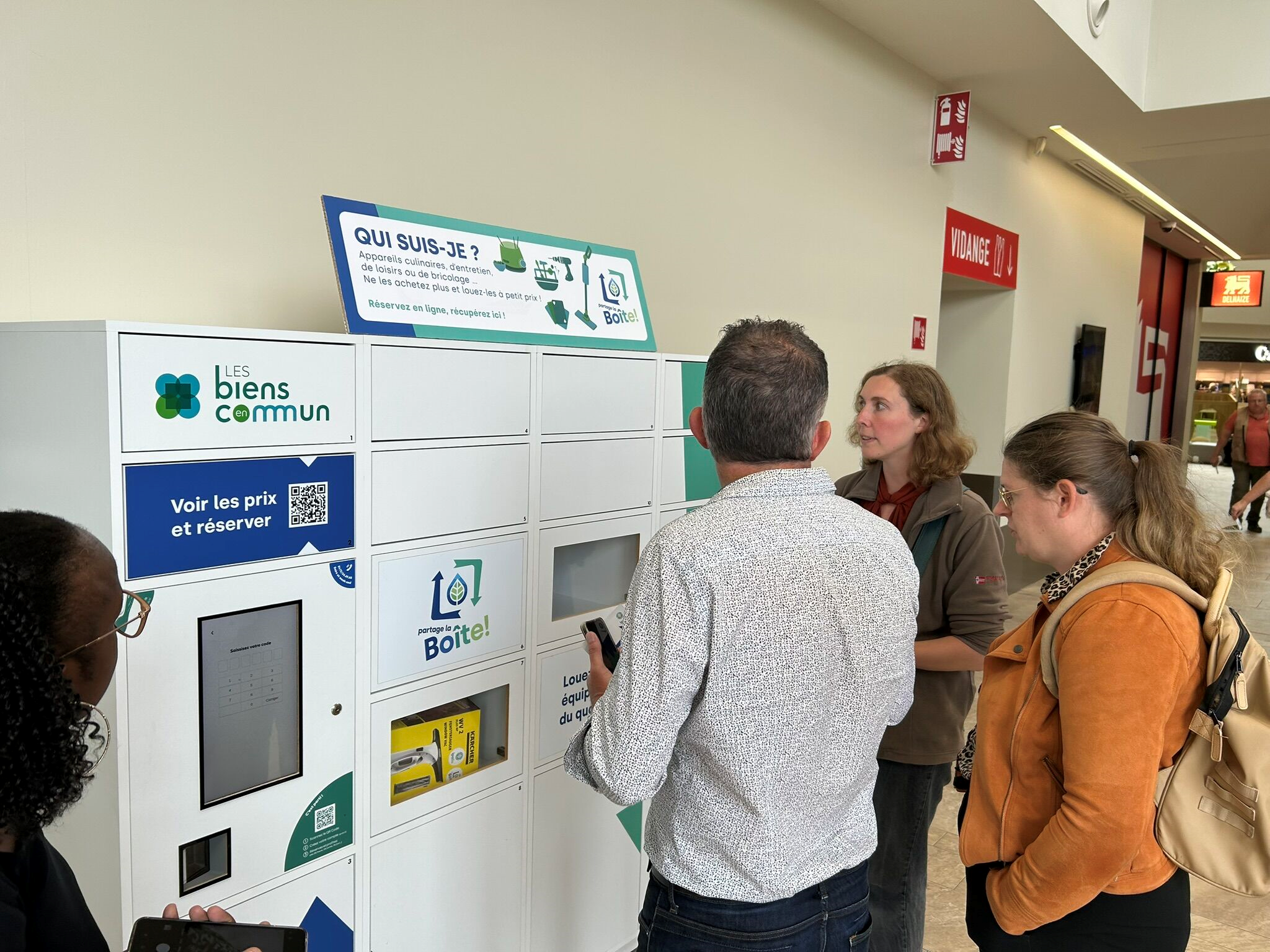
Digital Kiosks brings together partners from several European countries to test a network of shared stations where citizens can access everyday items on demand. Tools, household equipment or sports materials are made available collectively rather than individually owned, encouraging a more efficient use of resources at local level.
Within this framework, I contribute to the communication activities of the project. My role focuses on supporting the dissemination of project content and results, ensuring that complex or technical information is translated into formats that are accessible and relevant for a broader audience. What I find particularly relevant in this process is how communication becomes part of the project itself: it is not only about visibility, but about making cooperation understandable beyond institutional circles.
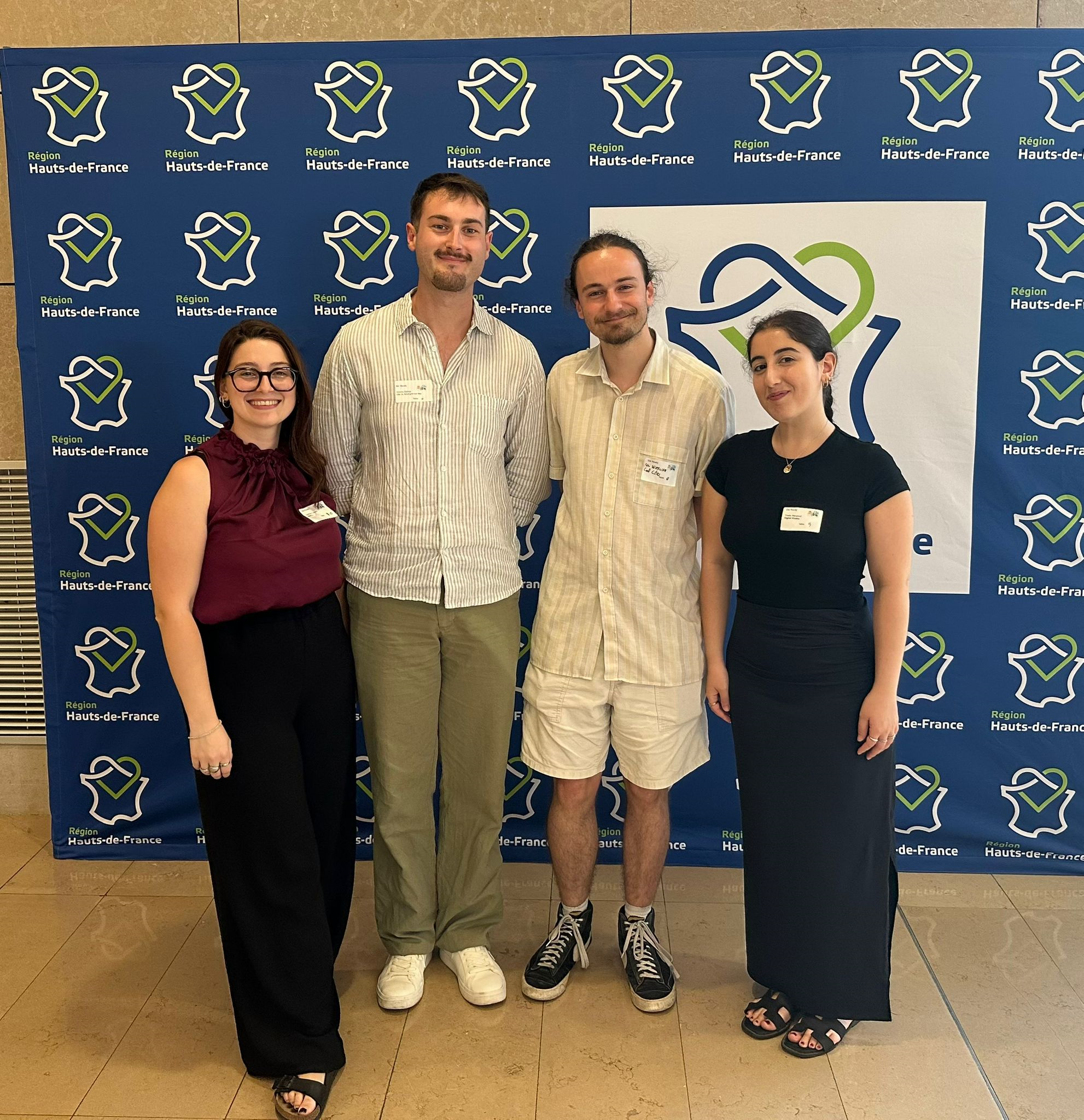
A significant part of my experience has also been the participation in transnational project meetings. These exchanges offer a concrete perspective on how European cooperation operates in practice. Beyond the formal structure of the programme, what emerges is a continuous process of negotiation and alignment between different working cultures, priorities and local contexts. Despite these differences, there is a consistent effort to develop shared solutions that can be applied across borders.
Before this experience, I associated European cooperation mainly with its institutional and administrative dimension. Working within an Interreg project has shifted this perspective. Cooperation becomes tangible in the way partners exchange knowledge, adapt approaches, and collectively refine ideas through implementation.
From this perspective, the Digital Kiosks project is not only about shared infrastructure, but about testing a different logic of access and consumption. The idea of borrowing rather than owning is not presented as innovation in itself, but as a practical response to questions of resource use that many communities are already facing.
Overall, this experience has helped me understand European cooperation as a process that is embedded in practice rather than abstract policy. Its value lies less in declarations of intent and more in the gradual construction of solutions through collaboration.
If I had to describe Interreg today, I would not refer to it in institutional terms. I would describe it as the space where ideas are translated into practices that can be tested, adjusted and eventually integrated into everyday life.
– Margherita, IVY Project Partner at the Municipality of Saint-Quentin, for the Interreg project DIGITAL KIOSKS, under the programme Interreg North Sea.