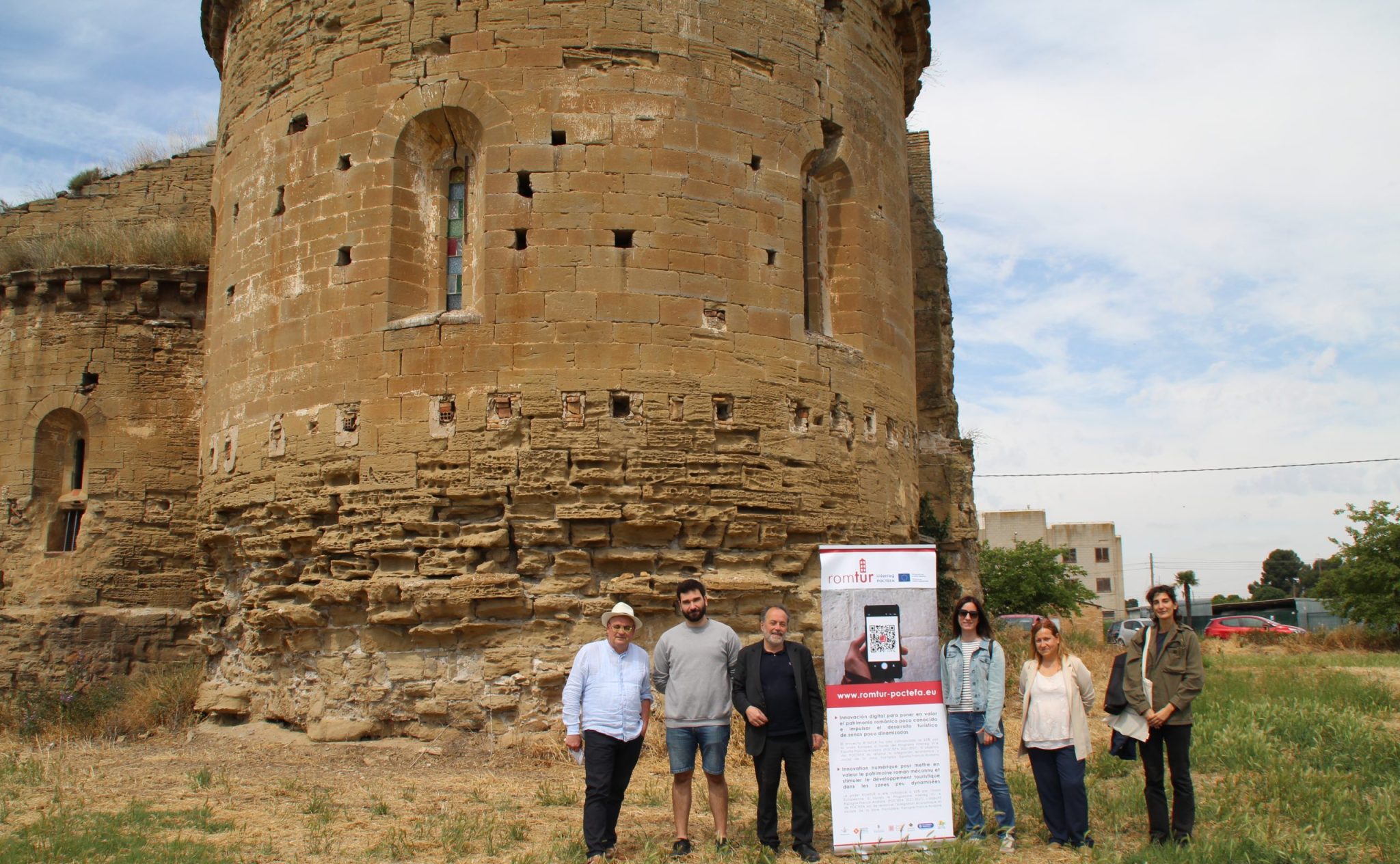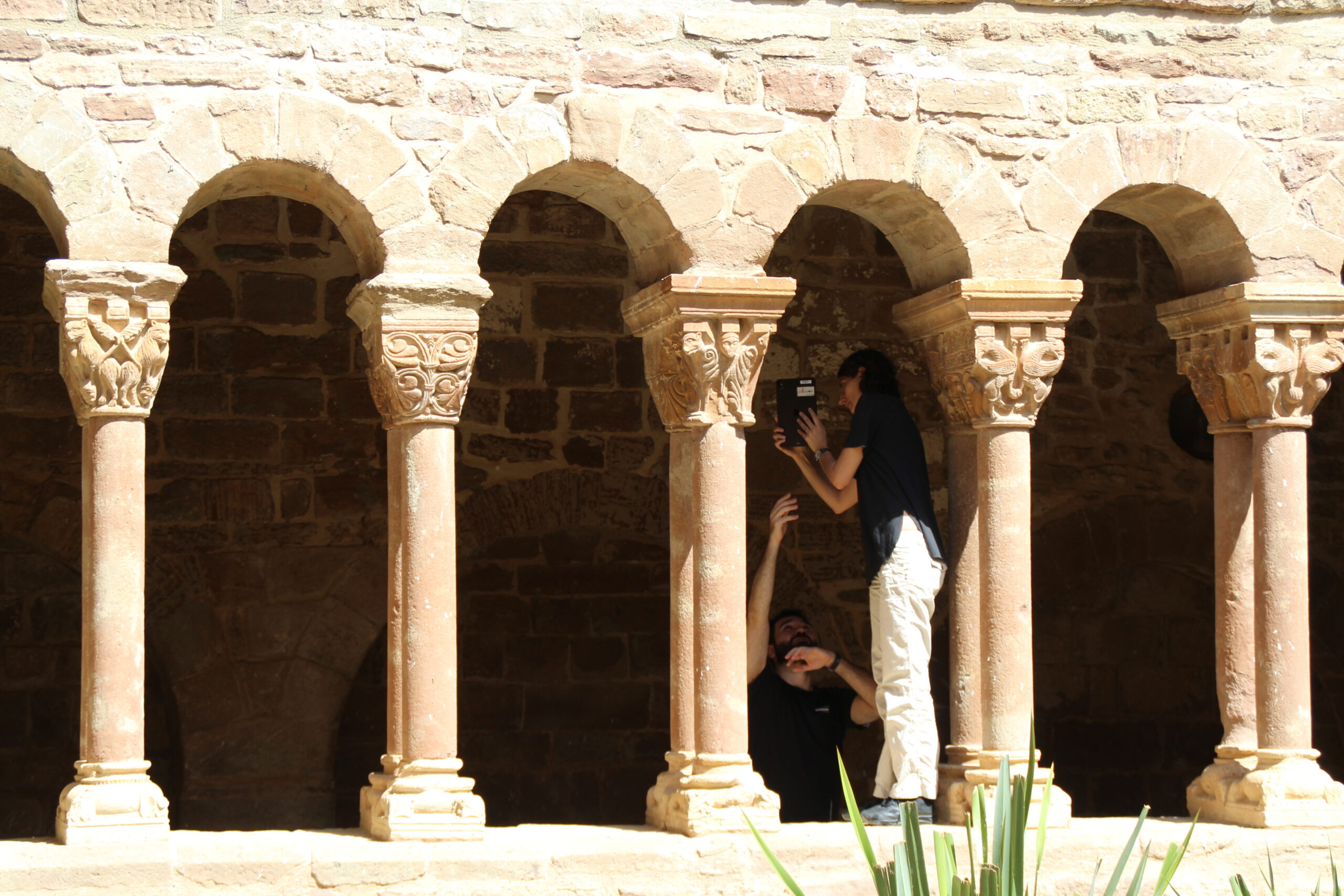
If you adventure across the catalan landscape, from Barcelona to Lleida until Perpignan, you’ll pass dozens of small romanesque churches that most bypassers never stop for. These millenary old beautifully built monuments are mainly unknown outside their vicinity. That’s exactly the issue ROMTUR, the project I’ve been volunteering for the last three months, is working on.
ROMTUR is co-financed by the European Union through Interreg VI-A Spain-France-Andorra (POCTEFA 2021-2027), one of many Interreg programmes under the EU’s Cohesion Policy. The whole purpose is to strengthen economic and social ties across the Spain-France-Andorra border area, to help regions grow together, despite the pyrenees mountains.
To achieve this mission, ROMTUR has a concrete goal: use digital tools to document and promote 50 lesser-known romanesques monuments scattered across Catalonia, so these rural areas can benefit from sustainable historic tourism. While it does happen that locally some municipal funds already addressed the problem and already created punctual information to valorize the historical landmark, what makes Romtur an Interreg project is the net of monuments behind it, highlighting the joint history of these European regions. Seven partners work together across the border: the Universitat de Lleida (which coordinates the project), the Universitat de Barcelona, the Université de Perpignan Via Domitia, the Institut d’Estudis Catalans, Turalcat, the tourism board of Aspres-Thuir and the Chamber of Commerce of Pyrénées-Orientales. Historians, tourism professionals and technicians from both sides of the border meet, share research, and build common tools : two of them are an online database and a virtual museum.
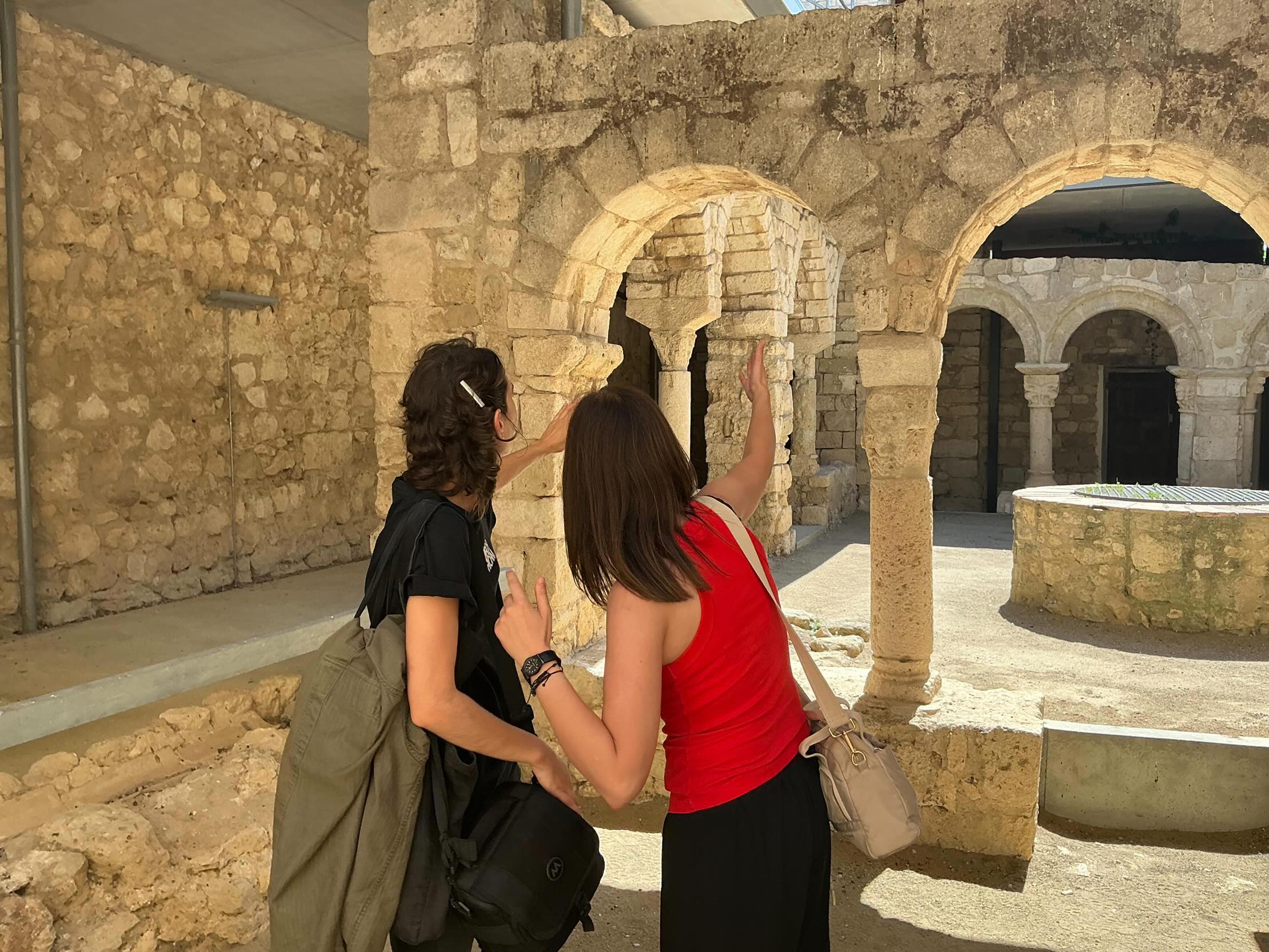
My own role is on the research side: I help digitize the sources, gathering historical and artistic information on each site that eventually feeds the project’s. I also got to visit monuments on site.The part I like most, honestly, is discovering the local heritage and history myself. Each monument is a testimony of how these communities built, worshipped and lived centuries ago. And in the end, getting to help make that knowledge public also makes me more knowledgeable.
If you’re ever driving through the catalan landscape and see a small stone church with a QR code by the door, that’s the result of ROMTUR and the European Union footprint. Scan it: you might be looking at a piece of history and get a grasp of what the European joint effort can achieve.
– Anna, IVY Project Partner at the Universitat de Lleida, for the Interreg project ROMTUR, under the programme Interreg POCTEFA.