What does European cooperation look like in practice? For me, one of the best ways, to find out, has been to put on my waders, take sampling equipment into a stream and spend several days collaborating with people from other countries.
As an IVY volunteer, I am currently involved in the Interreg project OreAqua, which focuses on improving the management and protection of aquatic fauna in the Ore Mountains region through cross-border cooperation, scientific monitoring and the exchange of knowledge.
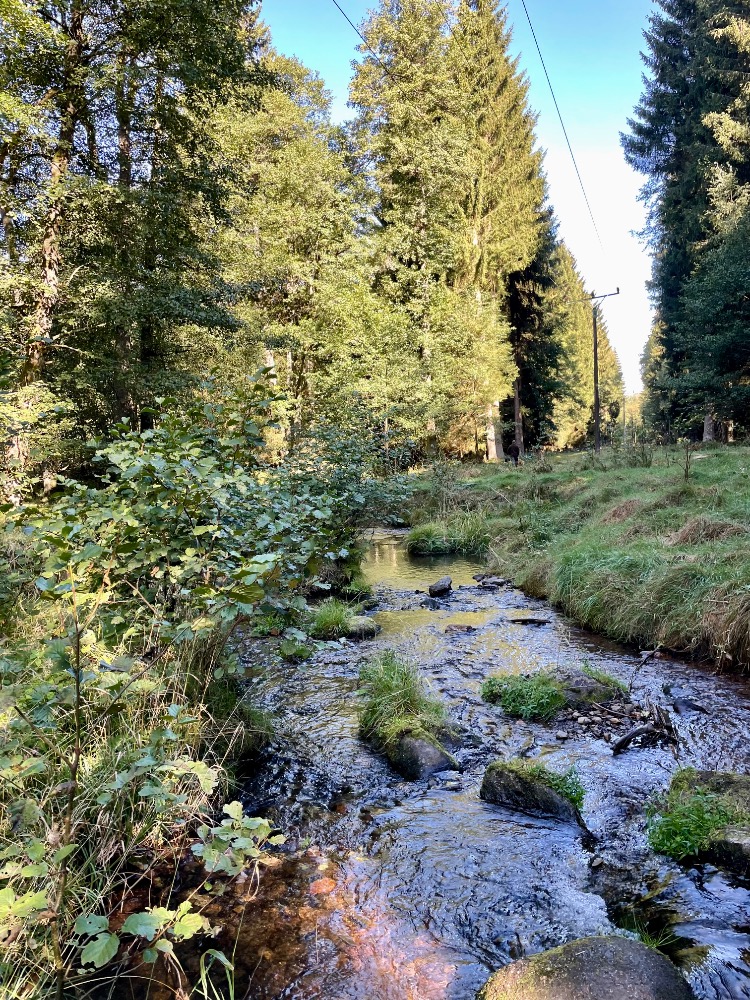
The Ore Mountains are an area with a long history of heavy industrial activity. Today, one of the challenges is to understand the current condition of aquatic ecosystems and support their biodiversity using reliable scientific data. This is where OreAqua comes in. Czech and German project partners are carrying out joint field monitoring using a common methodology on both sides of the border.
OreAqua brings together several scientific and environmental institutions from both countries. The project partners include the Biology Centre of the Czech Academy of Sciences, the University of South Bohemia, Technische Universität Dresden and the Sächsische Landesstiftung Natur und Umwelt. Bringing together universities, research institutions and an environmental organisation allows the project to combine scientific expertise with practical experience in environmental management.
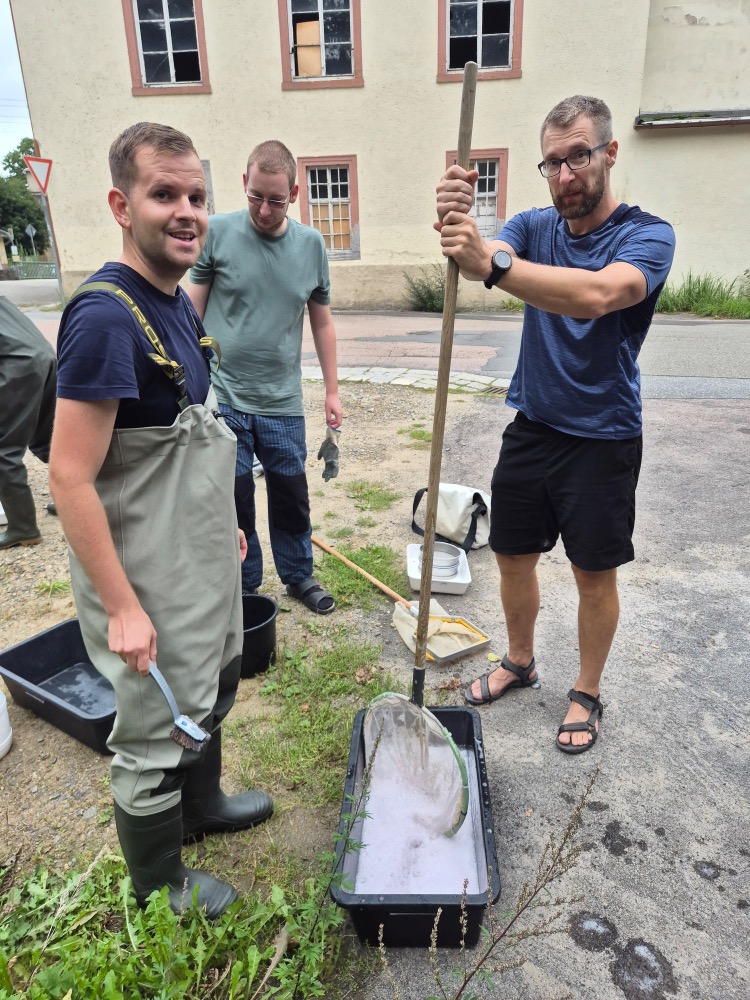
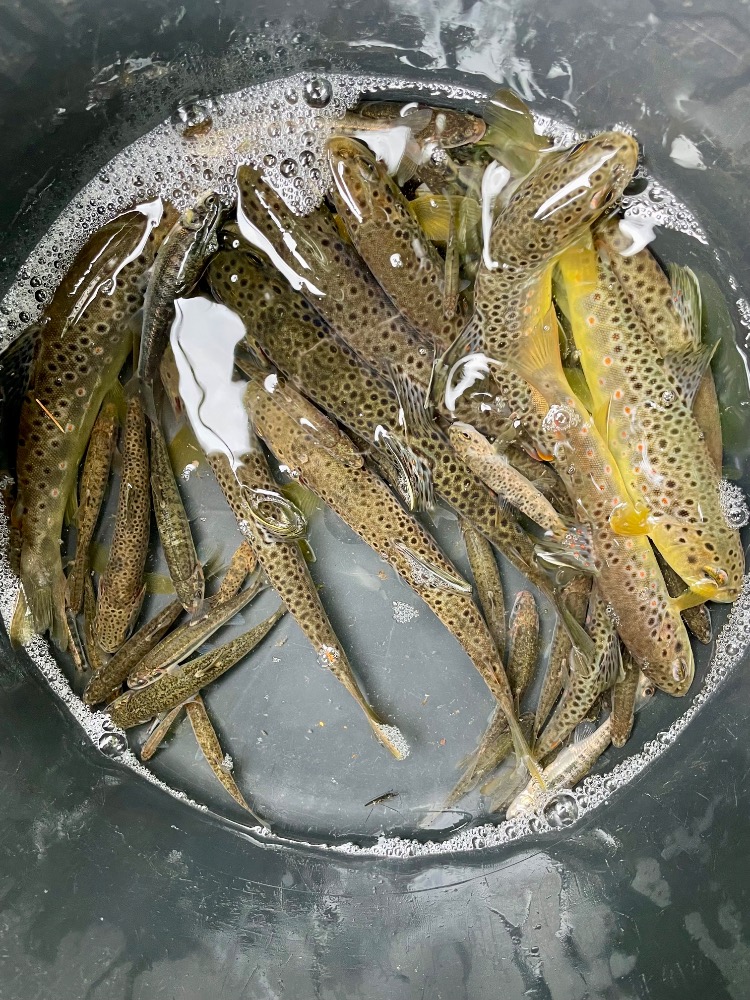
One of the main parts of the project is the monitoring of fish communities, with a main focus on brown trout (Salmo trutta).
During my IVY experience, I have been involved in the preparation and realisation of fieldwork in Saxony and Czechia. Over several field trips in September, I worked together with Czech and German colleagues, helping to monitor fish communities in rivers and streams close to the Czech-German border. The collected data will help the project team understand the condition of aquatic ecosystems and provide a basis for future management and conservation measures. In trout populations, genetic analyses will also be used to identify unique native populations that could be suitable for supporting the conservation of the freshwater pearl mussel (Margaritifera margaritifera).
Other project activities include environmental DNA sampling from water and sediment, which can help detect fish parasites and aquatic invertebrates, as well as the installation of data loggers measuring water temperature. Combining all these different sources of information will allow the project partners to assess the suitability of individual sites for trout and develop recommendations for effective management.
For me, one of the most valuable parts of the IVY experience has been seeing how scientific knowledge can be transformed into practical cooperation. The project brings together people with different expertise from both sides of the border, while also involving students, local stakeholders and the wider public. Of course, the experience has not only been exclusively practical. Spending several days in the field together gave us the opportunity to get to know each other better, share experiences and enjoy some good food and local drinks after long days of sampling.
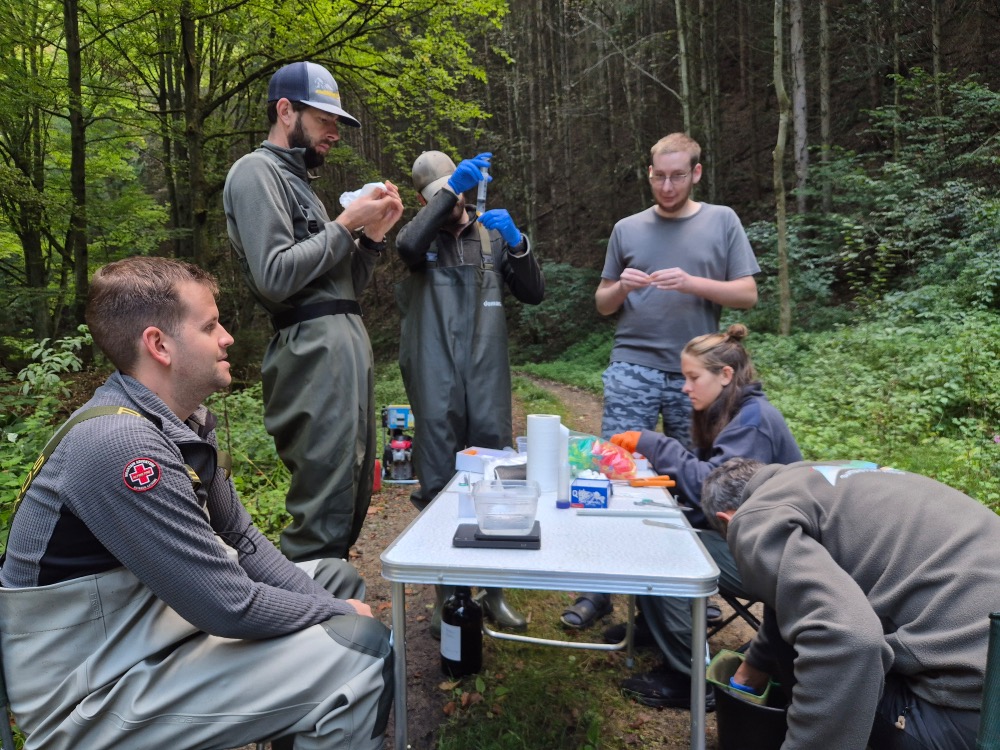
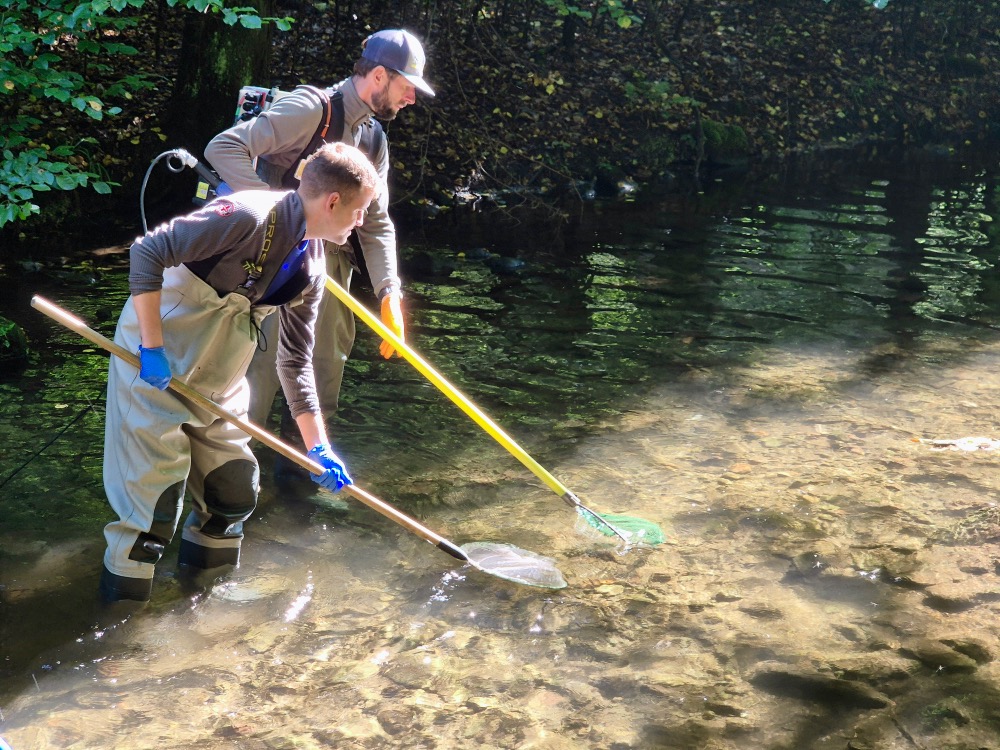
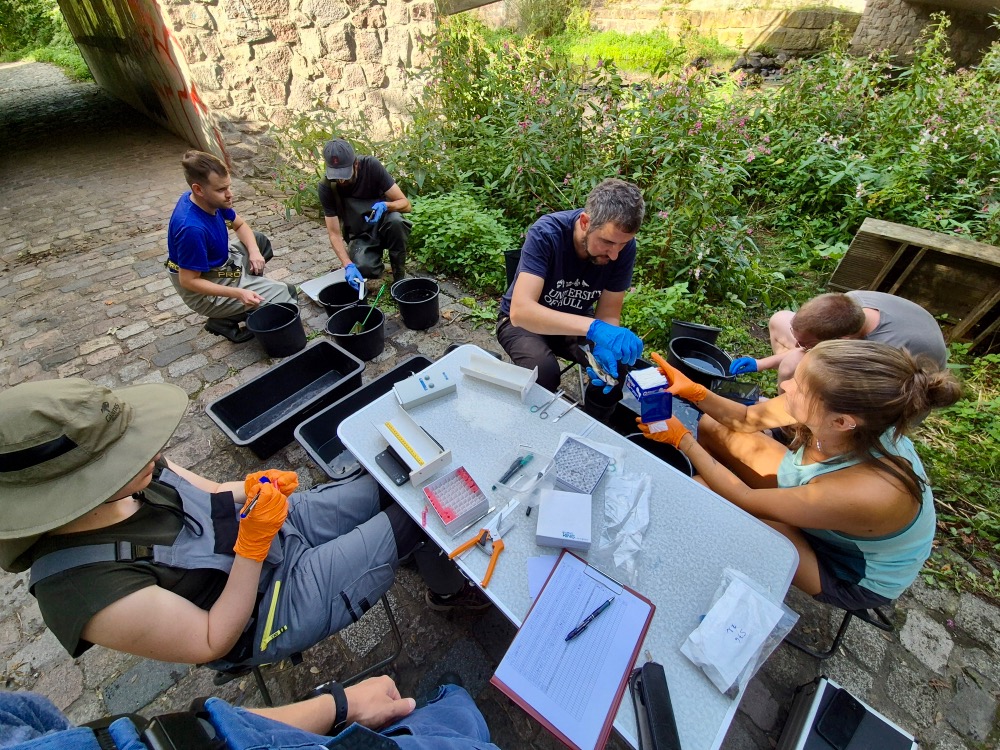
Before joining IVY, I mainly understood European cooperation from an academic perspective. Through OreAqua, I can now see much more clearly what it means in practice. Interreg is not just about funding projects, it creates opportunities for people and organisations from neighbouring countries to cooperate on shared challenges. For me, OreAqua is a great example of this. The project connects scientific research, practical activity and environmental management, while bringing Czech and German partners together around a common goal: better protection of aquatic ecosystems and biodiversity in the Ore Mountains region.
– Jan, IVY Project Partner at Biology Centre CAS – Biologické centrum AV ČR, for the Interreg Bayern-Czechia project Oreaqua – Strengthening native aquatic ecosystems in the Ore Mountains region