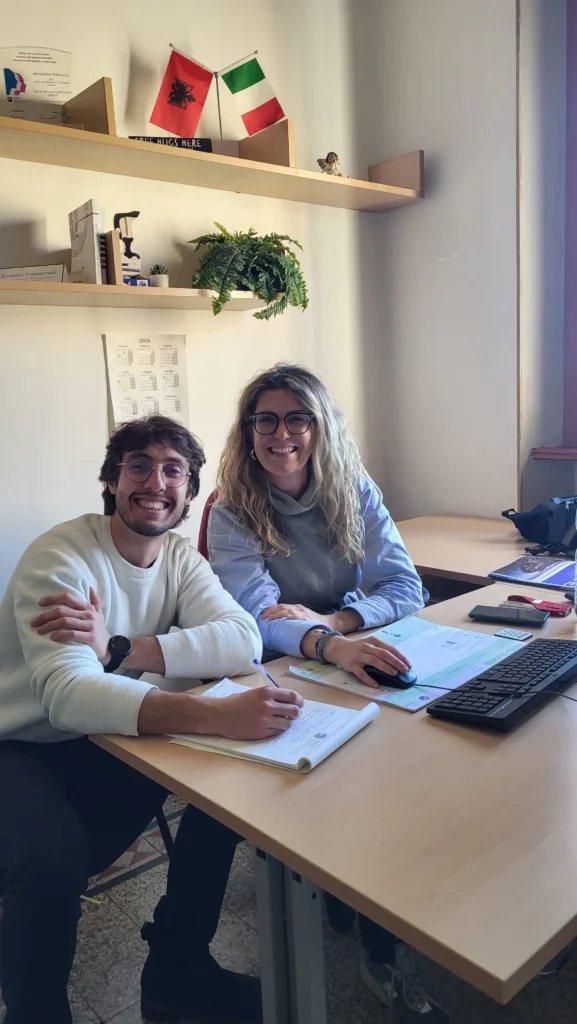
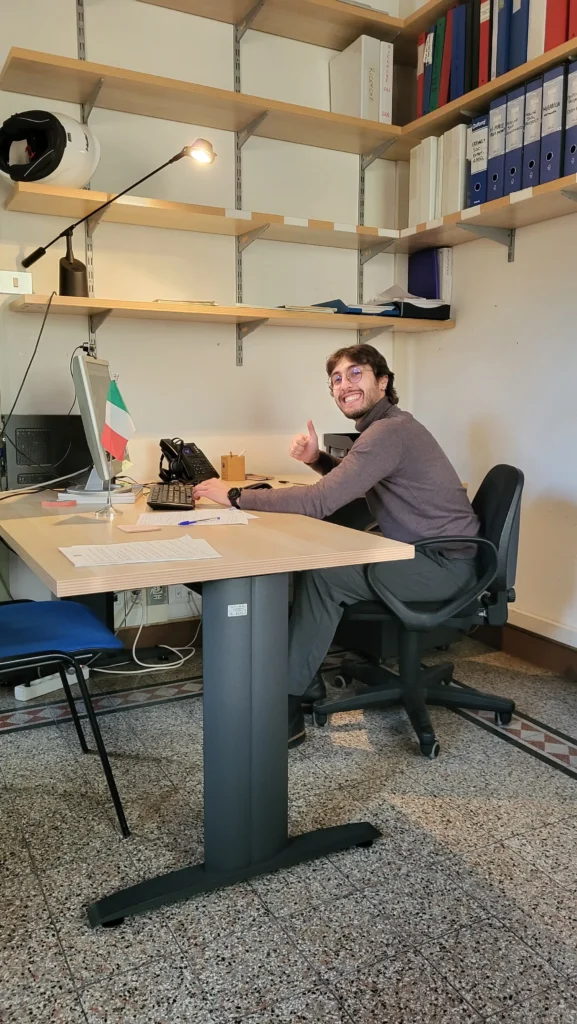
Hi, my name is Alessio. I am from Italy and I am currently volunteering in Ancona at the Forum of the Adriatic and Ionian Chambers of Commerce, my host organization and project partner for the Interreg project GPP2ADRION.
When we talk about the future of Europe, we often hear about ‘Cohesion Policy.’ But what does it actually mean in practice? Simply put, it is the strategy that ensures no region is left behind across several strategic areas. I am currently involved in a project at the heart of the Adriatic-Ionian region that turns this grand vision into reality. GPP2ADRION is centered on Green Public Procurement (GPP) for Public Administrations, but it represents much more than just a set of purchasing rules; it is a vital tool for fostering a sustainable and integrated macro-region.
What is GPP2ADRION’s main goal?
The core objective of GPP2ADRION is to foster the adoption of Green Public Procurement (GPP). Public authorities spend a staggering 14% of the EU’s GDP on goods and services. Our goal is to ensure that this massive purchasing power is used to buy “green.”
By integrating environmental criteria into public tenders—such as choosing energy-efficient computers, sustainable buildings, or recycled materials—we are not just purchasing products; we are driving the market toward a Circular Economy. This is Cohesion Policy in action: leveling the playing field so that all project partners across Italy, Bosnia and Herzegovina, Montenegro, Slovenia, Greece, Serbia, and North Macedonia can adopt the same high standards of environmental excellence.
How do I help to reach it?
In the framework of the GPP2ADRION project, my role is to support the communication and dissemination of results, specifically contributing to the Transnational Network assigned to the Forum of the Adriatic and Ionian Chambers of Commerce. I work to ensure the visibility of the project’s milestones and deliverables across the EUSAIR area, facilitating the exchange of knowledge between partners and stakeholders. My focus is on making the project’s outputs accessible and impactful, ensuring that the GPP tools developed are effectively communicated to the regional business community and public authorities throughout the Adriatic-Ionian macro-region.
Who benefits from it?
The beauty of GPP is that its benefits are multi-layered:
- Public Administrations: They gain the skills to become leaders in the green transition and save money through Life Cycle Costing (LCC).This is mostly possible thanks to the GPP Ambassadors: skilled and trained PA administrators formed during the project on green public procurement legal framework.
- SMEs (Small and Medium Enterprises): Through the Contact Points established in Chambers of Commerce, local businesses receive the support they need to become “green-ready” and competitive in international tenders, always with the support of the GPP Ambassadors.
- The Citizens: Ultimately, every citizen in the ADRION area benefits from a cleaner environment, reduced waste, and a more transparent use of public funds.
Who are the project’s partners?
University of Padua (Italy – Lead Partner)
- Cohesion Contribution: Promotes technological research oriented toward the sustainability of territories, communities, and businesses through international cooperation.
Forum of the Adriatic and Ionian Chambers of Commerce (Italy)
- Cohesion Contribution: Acts as a bridge to promote economic development and strengthen relationships among Chambers of Commerce across the Adriatic-Ionian area. Mooever, is the project communication manager.
Chamber of Economy of Montenegro (Montenegro)
- Cohesion Contribution: Empowers businesses to contribute to low-carbon economic development and facilitates the transition of the business sector toward resource-efficient systems.
Region of Western Greece (Greece)
- Cohesion Contribution: Encourages circular procurement to facilitate the development of sustainable regional economies and job creation.
Circular Change, Institute for Circular Economy (Slovenia)
- Cohesion Contribution: Co-creates circular economy solutions by engaging with companies, government agencies, and research organizations.
Institute of Social Sciences (Serbia)
- Cohesion Contribution: Develops dialogue and improves cooperation between stakeholders (public administration, scientific community, and civil sector) to transition from linear to circular economies.
Chamber of Economy of the Federation of Bosnia and Herzegovina (Bosnia and Herzegovina)
- Cohesion Contribution: Active in developing strategies and action plans to transfer knowledge and ideas between sectoral associations and public institutions.
Business & Innovation Center (North Macedonia)
- Cohesion Contribution: Acts as a bridge between the business sector and universities to support private sector growth through professional training.
Ministry of Economic Development and Tourism (Montenegro)
- Cohesion Contribution: Boosts the competitiveness of the economy and provides assistance to the MSME sector in Montenegro through national strategies for circular transition.
My Final Thoughts
Participating in GPP2ADRION has shown me that the “Green Transition” isn’t just about big solar farms; it’s about the silent revolution of how we behave, what we do daily and the small things. Through the support of Interreg and Cohesion Policy, we are building a future in Europe where “public” and “green” are finally matching one to each other.
– Alessio, IVY Project Partner at the Forum of the Adriatic and Ionian Chambers of Commerce (Forum AIC), for the Interreg project GPP2ADRION – Fostering the adoption and implementation of GPP procedures to promote a transition towards a circular economy