From the Greenhouse to the Field: My Experience with the IASON+ Project
My name is Christine, and I am currently volunteering at the Democritus University of Thrace within the Interreg NEXT Black Sea Basin project IASON+ – Invasive Alien Species Observatory and Network Development for the Assessment of Climate Change Impacts and Contextual Ecosystem Services Evaluation in Black Sea Deltaic Protected Areas.
Being part of this project has given me the opportunity to gain experience in environmental research while contributing to the protection of important delta and riparian ecosystems in Northern Greece.
Understanding Invasive Alien Species
The IASON+ project focuses on invasive alien species and their impacts on the ecosystem services in protected deltaic and riparian ecosystems in the Black Sea region. These species can threaten biodiversity, affect human activities and become even more problematic under changing climate conditions. Through research, monitoring, and cooperation among partners, the project aims to improve the management and conservation of these valuable environments.
My Role in the Project
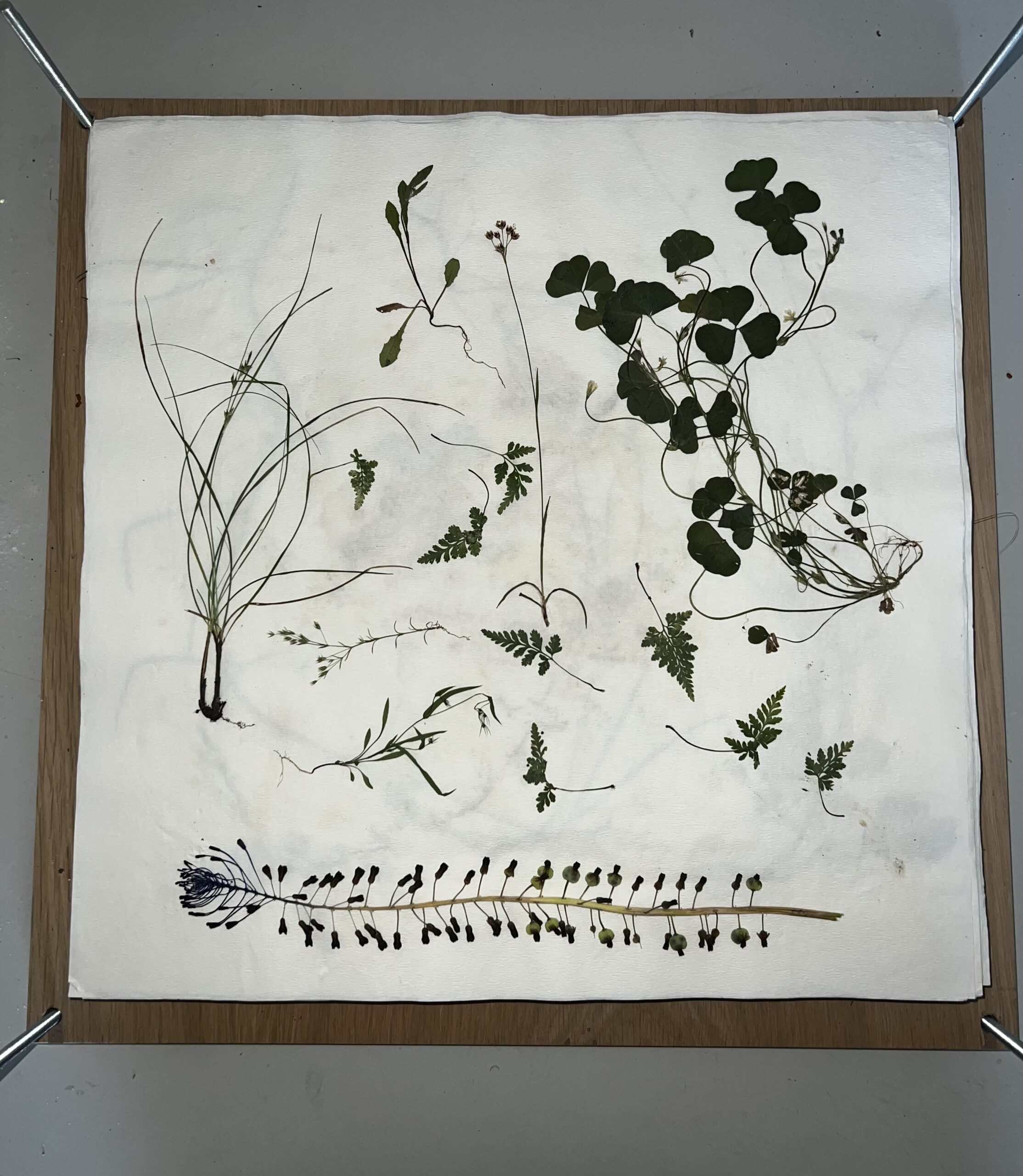
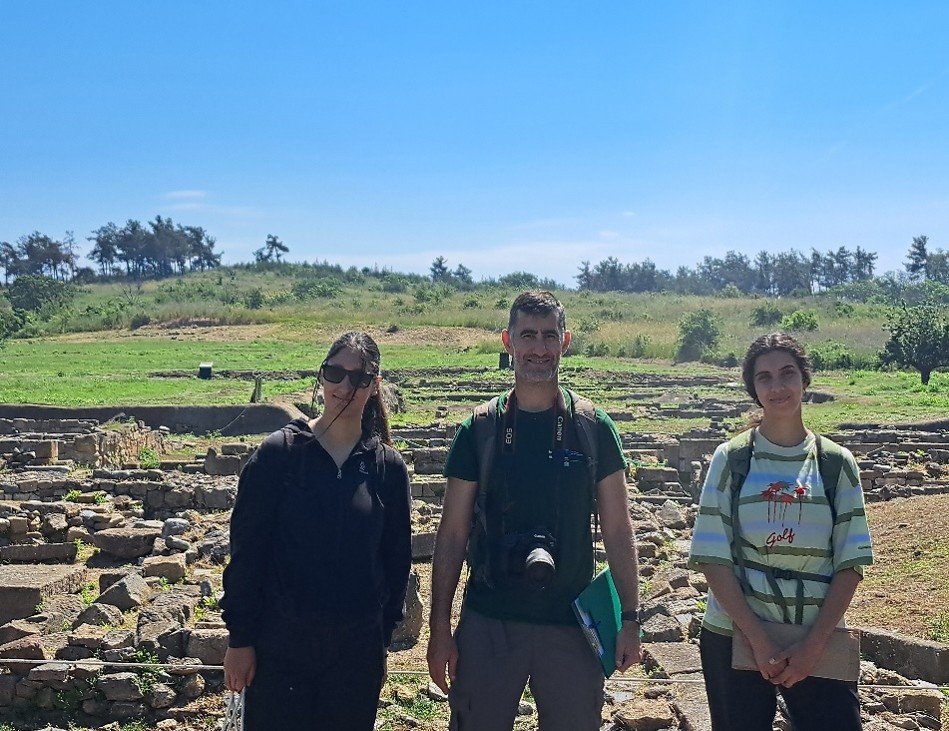
My volunteering activities combine both field and greenhouse activities. One of the main aspects of my role involves participating in field excursions in the project study areas, including Lake Vistonida and the Nestos River Delta. During these visits, we record vegetation and collect plant specimens from areas where invasive alien species are present. Following the fieldwork, the collected plant material is processed and prepared for further analysis. Part of the activities include drying and preserving specimens, which will later be identified and used for scientific evaluation. Through this process, I have gained valuable experience in plant sampling methods and botanical identification procedures.
I am also involved in greenhouse activities, where four invasive alien plant species are currently being cultivated and monitored in order to explore their responses under changing climatic conditions (treatments under reduced water availability). My responsibilities include soil preparation, seedlings transplantation into pots, plants watering, and monitoring of their development. Volunteering closely with these species provides valuable insights into their growth patterns and invasive potential, contributing to the project’s efforts to better assess and manage their impacts on wetland ecosystems.
These activities have allowed me to become familiar with different stages of ecological research, from field sampling to experimental work
Connecting Science with Society
Another important part of the project has been participating in environmental awareness activities. Together with other members of the project team, I helped deliver presentations in local schools about invasive alien species and the importance of protecting wetland ecosystems such as the Lake Vistonida and the Nestos Delta.
This experience showed me the importance of making scientific knowledge easy to understand, especially for younger people.
A Valuable Learning Experience
Volunteering on the IASON+ project has helped me develop practical research skills while gaining a deeper understanding of biodiversity conservation and ecosystem management.
As the project continues, I look forward to contributing further to its activities and learning more about the challenges and opportunities involved in protecting wetland ecosystems from invasive alien species.