My name is Brian Pattikawa, I am 23 years old, and I recently graduated from a Master’s in European Studies at KU Leuven in Belgium. After finishing my studies last year, I wanted to gain more practical experience within European institutions and projects. That is why I decided to volunteer for six months at Interreg Vlaanderen-Nederland.
At Interreg Vlaanderen-Nederland, we monitor and support different projects that promote cross-border cooperation between Flanders (the Dutch speaking part of Belgium) and the Netherlands.
Although I have only been here for two months, I have already been involved in several projects and learned a great deal. These projects generally fall into four categories: social and labour market, environmental, innovation, and borderless cooperation.
Each project has its own specific goals, but they all contribute to the broader aim of EU Cohesion Policy: reducing economic, social, and territorial disparities between regions.
What all these projects have in common is their cross-border nature. They are based in the Flanders–Netherlands border region and involve both Flemish and Dutch partners working together towards shared objectives.
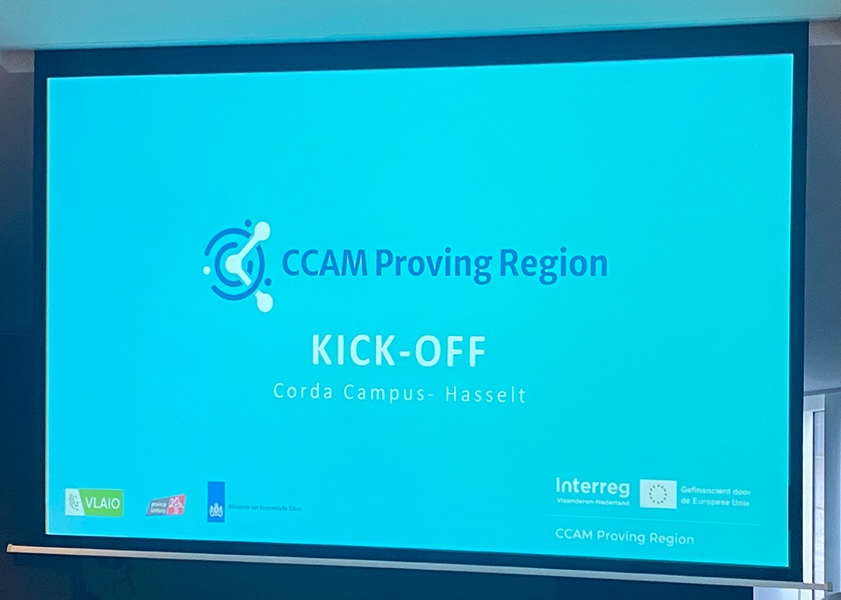
One project I follow closely is CCAM Proving Region. Its main goal is to establish a centre of excellence in the border region focused on the research and deployment of automated vehicles. While the project started as a collaboration between Flemish and Dutch partners, its ambition goes beyond the region. It aims to connect experts from across Europe and contribute to the wider development of automated mobility within the European Union.
This shows how Interreg projects not only support local communities but can also have a broader European impact.
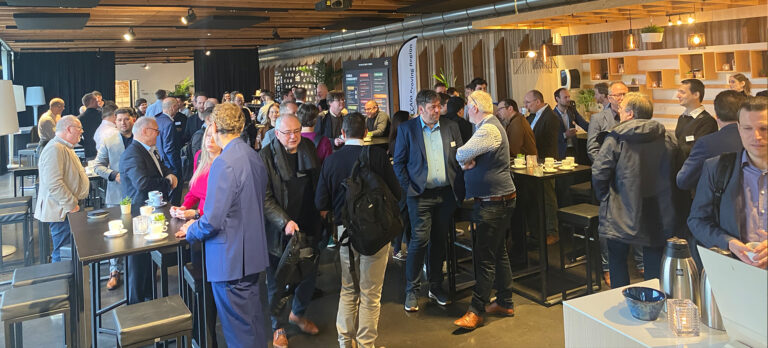
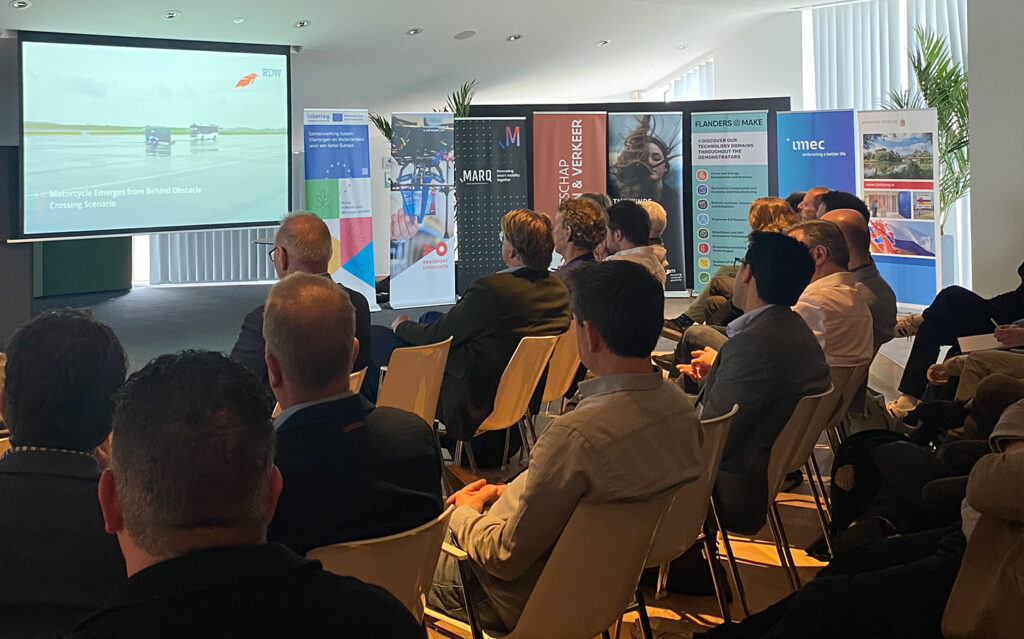
However, one challenge I have noticed is the limited visibility of Interreg among the general public. For example, during the kickoff event of CCAM Proving Region, it became clear that although Interreg helps fund these initiatives through the European Regional Development Fund, this role is not always widely recognised. I observed something similar with another project, “Otter across borders”, which focuses on reintroducing otters to the border region. While the project is well known in Belgium and the Netherlands and even featured on national television, Interreg’s involvement is often not mentioned in media coverage.

My role at Interreg focuses on improving this visibility. I contribute by promoting projects through articles and social media on our Interreg channels. I also represent Interreg at project events and during interviews, aiming to present our work in a positive and accessible way. This helps people better understand what Interreg is and how it supports these initiatives.
Through this experience, I have also realised that Interreg is sometimes seen simply as a funding source. However, it plays a much more important role. Interreg supports regional development through a bottom-up approach, bringing partners together and facilitating cooperation across borders. The success of these projects depends not only on funding but also on strong collaboration between partners. In this sense, Interreg acts as a bridge between local projects and the European Union.
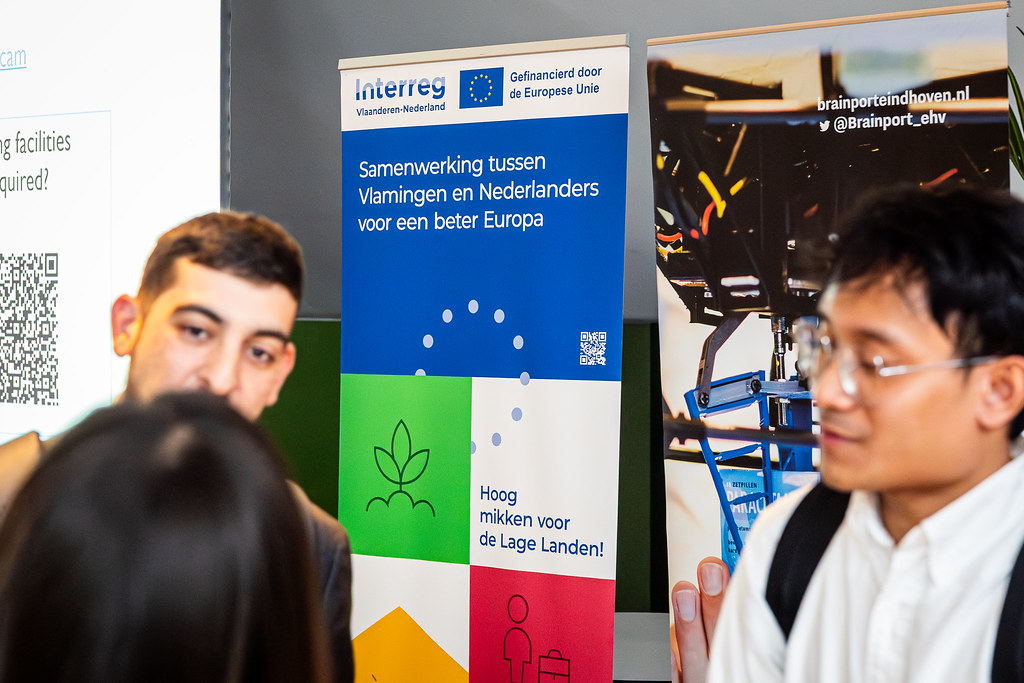
I believe that one of our key goals as Interreg Youth Volunteers is to make this role more visible. Whether through communication, maintaining relationships with project partners, or simply talking about Interreg in our daily lives, we can help people better understand its value. Interreg is not just about funding, it is about cooperation, connection, and building a stronger Europe from the ground up.
– Brian, IVY Reporter for the Joint Secretariat Interreg Vlaanderen-Nederland (Vlaned)